

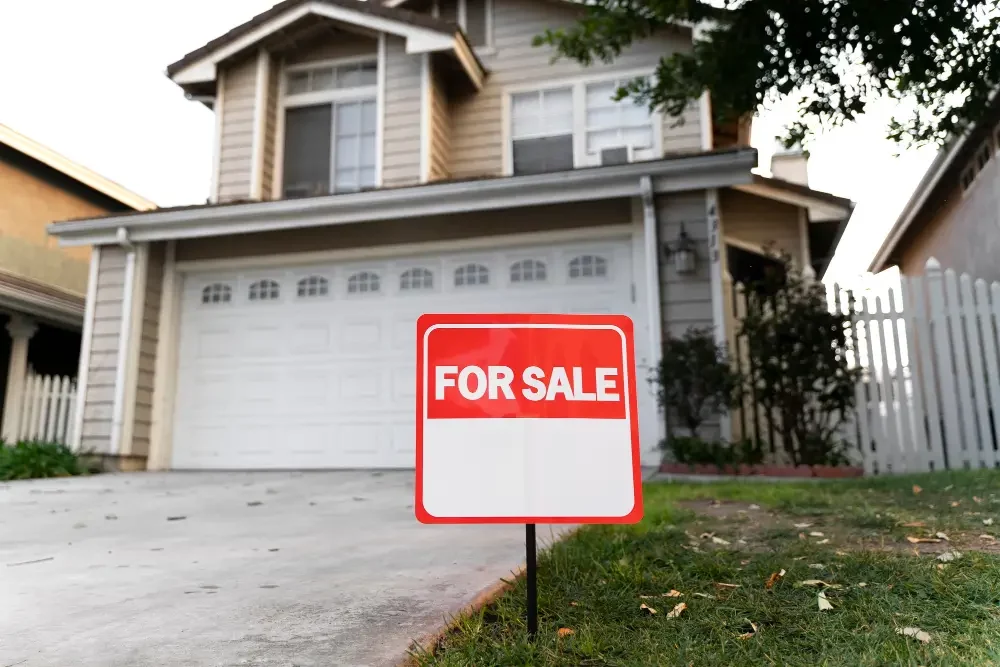
Selling a house can feel overwhelming, especially in a busy market like Wilmington. Understanding how much house you can afford is one of the most important steps in this process. It helps you make smart decisions and ensures you’re on solid financial ground. In this section, we’ll explore the current real estate market in Wilmington and why knowing your affordability as homebuyers matter.
Why Affordability Matters
Affordability is more than just a number; it’s about achieving financial stability and making a long-term investment. As homebuyers, when you know what you can afford, you can avoid the stress of overextending yourself financially. This knowledge can help you find a home that fits your budget without sacrificing your lifestyle.
Imagine you’re looking at houses that are way out of your price range. You might fall in love with a beautiful Wilmington home, only to realize later that the monthly payments are too high. This can lead to financial strain and even affect your quality of life. By understanding your affordability, you can focus on homes that are within your reach, making the entire buying process smoother and more enjoyable.
Moreover, knowing how much house you can afford helps you plan for the future. It allows you to consider other expenses, like property taxes, maintenance, and insurance. These costs can add up quickly, and being prepared for them is crucial. If you’re not careful, you might end up in a situation where you can’t afford to keep your home.
In Wilmington, the real estate market is constantly changing. Prices can fluctuate based on demand, location, and other factors. This is why it’s essential to stay informed about market trends. By doing so, you can make better decisions about when to buy and how much to spend.
As you navigate the home-buying process, consider reaching out to local experts. They can provide valuable insights into the Wilmington market and help you understand your options. Whether you’re looking to buy or sell, having a good understanding of your affordability will set you up for success.
In the next sections, we’ll dive deeper into how to calculate your budget and explore the various financing options available to you. This way, you’ll be fully prepared to make informed decisions in your home-buying journey.
Understanding Your Budget
Now that, as homebuyers, you know why affordability is important, let’s dig deeper into the key components that influence how much house you can afford. Understanding these factors will help you make better financial decisions as you navigate the home-buying process.
Income and Employment
Your income is one of the most significant factors in determining your budget. Lenders want to see a steady income to ensure you can make your mortgage payments. If you have a stable job with a reliable paycheck, that’s a great start. However, if you’re self-employed or have a job with fluctuating income, it might be a bit more complicated.
When applying for a mortgage, lenders typically look at your gross income, which is your total income before taxes. They want to see how much you earn each month so they can decide how much they’re willing to lend you. The more stable your employment, the more confidence lenders will have in your ability to repay the loan.
Debt-to-Income Ratio
Another crucial factor is your debt-to-income (DTI) ratio. This number compares your total monthly debt payments to your gross monthly income. Lenders use this ratio to measure your ability to manage monthly payments and repay debts.
A lower DTI ratio is better. Most lenders prefer a DTI of 36% or less. This means that no more than 36% of your income should go toward debt payments, including your mortgage. If your DTI is too high, it might be harder to get approved for a loan, or you may receive a higher interest rate.
Credit Score
Your credit score is like a report card for your financial history. It tells lenders how responsible you are with money. A higher credit score can help you secure a lower interest rate on your mortgage, which can save you a lot of money in the long run.
Most lenders consider a credit score of 620 or higher to be good for getting a mortgage. If your score is lower, you might have to pay a higher interest rate or even get denied for a loan. It’s essential to check your credit score before applying for a mortgage and take steps to improve it if necessary.
Down Payment
Finally, let’s talk about the down payment. This is the money you pay upfront when buying a house. The larger your down payment, the less you need to borrow, which can lower your monthly payments.
Many people aim for a 20% down payment, but that’s not always necessary. Some loans allow for much smaller down payments, sometimes as low as 3%. However, if you put down less than 20%, you might have to pay private mortgage insurance (PMI), which can add to your monthly costs.
Understanding these components—your income, debt-to-income ratio, credit score, and down payment—will give you a clearer picture of how much house you can afford. In the next sections, we’ll explore how to calculate your affordability and the financing options available to you. This knowledge will empower you to make informed decisions as you embark on your journey to homeownership.
Calculating Your Affordability
Now that you understand the key components that influence how much house you can afford, it’s time to learn how to calculate your affordability. Knowing how to do this will help you set a realistic budget and find a home that fits your financial situation.
Using Online Calculators
One of the easiest ways to estimate how much house you can afford is by using online calculators. These tools take your income, debts, down payment, and other factors to give you a rough estimate of your budget. Many websites offer mortgage calculators, which allow you to input your information and see how different scenarios affect your monthly payments.
For example, you can adjust your down payment percentage or interest rate to see how it changes your affordability. This can help you understand what you can realistically afford in the Wilmington market. Just remember, while these calculators are helpful, they provide estimates. It’s always a good idea to speak with a financial advisor or mortgage lender for more precise information.
The 28/36 Rule
Another useful guideline is the 28/36 rule. This rule helps homebuyers figure out how much of their income should go toward housing costs and total debt. According to the 28/36 rule, you should aim to spend no more than 28% of your gross monthly income on housing expenses, including your mortgage payment, property taxes, and insurance. Additionally, your total debt payments (including your mortgage) should not exceed 36% of your gross monthly income.
For example, if you earn $5,000 a month, you would want to keep your housing costs below $1,400 (28% of $5,000) and your total debt payments below $1,800 (36% of $5,000). This rule can help you set a budget that keeps you financially secure while still allowing you to buy a home.
Total Cost of Homeownership
When calculating how much house you can afford, it’s essential to consider the total cost of homeownership. Many first-time homebuyers focus only on the mortgage payment, but there are other costs to think about.
You’ll need to factor in property taxes, which can vary by location. In Wilmington, property taxes can significantly impact your monthly expenses. Don’t forget about homeowners insurance, which protects your investment. Maintenance costs are also important; homes require upkeep, and it’s wise to set aside money for repairs and unexpected expenses.
By considering these additional costs, you’ll have a clearer picture of your financial responsibilities. This understanding will help you avoid surprises down the road and ensure you can comfortably afford your new home.
As you can see, calculating your affordability involves more than just looking at your income. By using online calculators, following the 28/36 rule, and considering the total cost of homeownership, you’ll be better equipped to make informed decisions. In the next sections, we’ll explore the current market trends and financing options available to help you on your journey to homeownership.
Current Market Trends in Wilmington
As you prepare to buy a home, it’s essential to understand the current market trends in Wilmington. Knowing what’s happening in the housing market will help you make informed decisions about your purchase. In this section, we’ll look at average home prices and the dynamics of supply and demand in the area.
Average Home Prices
Wilmington’s housing market has seen significant changes in recent years. As of now, the average home price in Wilmington is around $350,000. However, this number can vary depending on the neighborhood and the type of home. For example, homes in popular areas near the beach tend to be more expensive, while those further inland may be more affordable.
It’s important to keep an eye on these average prices as they can fluctuate based on various factors, including the time of year and economic conditions. If you’re looking to buy, understanding the average prices will help you set a realistic budget and find homes that fit your financial situation.
Market Demand and Supply
The demand and supply dynamics in Wilmington are also crucial to understand. Right now, there is a high demand for homes, especially among first-time buyers and families looking for a place to settle down. This demand can drive prices up, making it more competitive for buyers.
On the other hand, the supply of homes for sale has been somewhat limited. Many homeowners are hesitant to sell, which creates a tighter market. When there are more buyers than available homes, it can lead to bidding wars, where multiple buyers compete for the same property. This situation can make it challenging to find a good deal.
As a buyer, it’s essential to stay informed about these trends. Being aware of the demand and supply can help you act quickly when you find a home you love. If you’re ready to make an offer, having your finances in order and knowing your budget will give you an advantage in this competitive market.
In summary, understanding the current market trends in Wilmington is vital for anyone looking to buy a home. By keeping track of average home prices and the dynamics of supply and demand, you can make better decisions and find the right home for you. In the next sections, we will explore financing options that can help you secure your dream home.
Financing Your Home Purchase
Once you’ve figured out how much house you can afford as homebuyers and you’re aware of the current market trends, it’s time to explore your financing options. There are several ways to finance your home purchase, and understanding these options will help you make the best choice for your situation.
Conventional Loans
Conventional loans are one of the most common types of mortgages. These loans are not backed by the government, which means they usually have stricter requirements. To qualify for a conventional loan, you typically need a good credit score, a stable income, and a down payment of at least 3% to 20% of the home’s price.
One of the benefits of a conventional loan is that it often comes with lower interest rates compared to other types of loans. However, if you put down less than 20%, you may have to pay private mortgage insurance (PMI), which adds to your monthly costs. Overall, conventional loans can be a great option if you meet the requirements.
FHA Loans
FHA loans are government-backed loans designed to help first-time homebuyers. They have more flexible requirements, making them easier to qualify for. With an FHA loan, you can put down as little as 3.5% of the home’s price, which can make homeownership more accessible.
These loans are ideal for those with lower credit scores or limited savings. However, like conventional loans, FHA loans also require mortgage insurance, which protects the lender in case you default on the loan. The benefit of FHA loans is that they can be a stepping stone for first-time buyers to enter the housing market.
VA Loans
If you are a veteran or an active military member homebuyers, you may qualify for a VA loan. These loans are backed by the Department of Veterans Affairs and offer several advantages. One of the most significant benefits is that VA loans often require no down payment, making it easier for veterans to buy a home.
Additionally, VA loans do not require mortgage insurance, which can save you money each month. The eligibility requirements are also more lenient, allowing many veterans to access home financing without the typical hurdles found in conventional loans. VA loans are a fantastic option for those who have served our country.
Cash Offers
Another option to consider is making a cash offer on a home. If you have the funds available, buying a house outright can be a powerful advantage. Cash offers often allow for quicker closings since there’s no need for mortgage approval. This speed can make your offer more attractive to sellers, especially in a competitive market like Wilmington.
Additionally, cash buyers have more negotiating power. Since they don’t have to worry about financing falling through, sellers may be more willing to accept a lower price or agree to other favorable terms. If you’re considering this route, it’s worth looking into local cash buyers in Wilmington who can help streamline the process.
In conclusion, understanding your financing options is crucial as you prepare to buy a home. Whether you choose a conventional loan, an FHA loan, a VA loan, or make a cash offer, knowing the benefits and requirements of each will help you make informed decisions. As you move forward, be sure to consult with financial experts to find the best solution for your needs. In the next sections, we will discuss common mistakes to avoid and provide final tips for your home-buying journey.
Common Mistakes to Avoid
As you navigate the home-buying process, it’s essential to be aware of common mistakes that can lead to financial stress and regret. Understanding these pitfalls will help you make better decisions and ensure a smoother journey to homeownership.
Ignoring Additional Costs
One of the biggest mistakes homebuyers make is ignoring the additional costs associated with homeownership. Many people focus solely on the mortgage payment, but there are several other expenses to consider. These include property taxes, homeowners insurance, and maintenance costs.
For example, property taxes can vary widely depending on where you live. In Wilmington, these taxes can add a significant amount to your monthly budget. Homeowners insurance is another cost that can fluctuate based on the value of your home and your coverage needs. Additionally, regular maintenance is essential to keep your home in good condition. Setting aside money each month for repairs and upkeep is crucial to avoid unexpected financial burdens.
By considering these additional costs, you’ll have a more accurate picture of what you can afford. This will help you avoid surprises down the road and ensure that you can comfortably manage your new home.
Overextending Financially
Another common mistake is overextending financially. It can be tempting to buy a larger or more expensive home than you can truly afford, especially if you fall in love with a property. However, this can lead to financial strain and stress.
It’s essential to stick to your budget and remember the 28/36 rule we discussed earlier. This guideline helps ensure that you don’t spend more than 28% of your income on housing costs and 36% on total debt. By adhering to these limits, you can avoid the pitfalls of overextending yourself and maintain a comfortable lifestyle.
Skipping Pre-Approval
Finally, one of the most critical steps in the home-buying process by homebuyers is getting pre-approved for a mortgage. Skipping this step can lead to missed opportunities and added stress. When you’re pre-approved, you know exactly how much you can borrow, which helps you set a realistic budget.
Additionally, being pre-approved shows sellers that you are a serious buyer. In a competitive market like Wilmington, this can give you an edge over other homebuyers who may not have taken this step. It streamlines the process and allows you to act quickly when you find a home you love.
In summary, avoiding these common mistakes can save you time, money, and stress as you navigate the home-buying process. By considering additional costs, sticking to your budget, and getting pre-approved for a mortgage, you’ll be well on your way to making a smart and informed purchase. In the next sections, we will provide final tips and resources to help you succeed in your home-buying journey.
Conclusion
Understanding how much house you can afford is a crucial step in the home-buying process. Throughout this article, Jonathan Swanson, Broker @ Sea Gate Realty, Inc. explored important factors that influence your affordability, including your income, debt-to-income ratio, credit score, and down payment. We also discussed current market trends in Wilmington and various financing options available to you. By being aware of common mistakes to avoid, you can navigate this journey with confidence.
Next Steps for Homebuyers
Now that you have a solid understanding of these concepts, it’s time to take action. Start by assessing your financial situation. Take a close look at your income, expenses, and savings. This will give you a clearer picture of what you can afford. Consider consulting with local experts, such as real estate agents or financial advisors, who can provide personalized advice tailored to your specific needs.
Getting pre-approved for a mortgage is also a great next step. This will help you know exactly how much you can borrow and show sellers that you are a serious buyer.
Resources
If you’re looking for additional support, there are many local resources available to assist you. For those interested in selling or buying a home in Wilmington, consider reaching out to cash home buyers in the area (like Jonathan Swanson, Broker @ Sea Gate Realty, Inc.!). They can provide quick and hassle-free options for selling your home.
Remember, buying a home is a significant investment, and careful planning is key to making it a successful experience. By following the steps outlined in this article, you’ll be well on your way to finding the perfect home for you and your family. Good luck on your journey to homeownership!
Frequently Asked Questions (FAQ)
How do I know how much house I can afford?
You can estimate affordability by reviewing your income, debts, credit score, and down payment. Many buyers use online mortgage calculators and follow the 28/36 rule to keep housing and total debt within safe limits.
Why is affordability important when buying a home in Wilmington?
Knowing your affordability helps you avoid financial stress, stay within budget, and plan for long-term costs like property taxes, insurance, and maintenance in Wilmington’s competitive market.
What costs should I consider beyond the mortgage payment?
In addition to your mortgage, you should account for property taxes, homeowners insurance, maintenance, repairs, utilities, and possible private mortgage insurance (PMI).
What credit score do I need to buy a house?
Most lenders prefer a credit score of 620 or higher for conventional loans, though FHA loans may allow lower scores. Higher credit scores typically qualify for better interest rates.
Is getting pre-approved for a mortgage necessary?
Yes. Pre-approval helps you understand your true budget and shows sellers you’re a serious homebuyers, giving you an advantage in Wilmington’s competitive housing market.
What financing options are available to homebuyers?
Common options include conventional loans, FHA loans, VA loans for eligible veterans, and cash purchases. Each option has different requirements and benefits depending on your financial situation. Contact us for more information about this.
